“ Is the press freedom in Myanmar bigger then in Singapore and Malaysia…? ”
I am once again finding myself in-between the crowd of the attendees to this full-day program of the Freedom Festival 2015. It is Saturday and the theme is Southeast Asia, with movies from Singapore, Indonesian and Myanmar. The festivals underlining title Dare to Document and UNSEEN, UNHEARD, UNTOLD is clearly present today, as the first movie, 1987: Untracing the Conspiracy is telling the story of how 22 people were arrested under Singapore’s Internal Security Act (ISA) and accused of being Marxists. Two shorter movies: Away from Ayah and Apa Khabar Potehi? Were telling the story of a son an his relationship to his farther prisoned in Singapore. The later showing how the Chinese puppet culture in Indonesia is on its way to extinction. The Last movie Across was telling the story of Myanmar and the Shwe Gas Pipeline Project, which links the state of Rakhine (Myanmar) with China. The movie was focusing on the local communities and how these are and will be affected by the project. Each movie was followed by a discussion with the director and questions from the audience, most of the times concerning press freedom. And yes, according to the World Press Freedom Index of 2015 is the press in Myanmar (144) more freely to speak than the press in both Malaysia (147) and Singapore (153).
The neighborhood
Not far from the Jaya One (Pataling Jaya), where the Freedom Festival was taking place, is Shalini Ganendra Fine Art located. A gallery residence located at the end of a residential street exhibiting Malaysian and South East Asian Art. The gallery is designed by the Malaysian architect Ken Yeang and using sustainable features, such as a solar chimney for natural ventilation.


Forgetting the past?
The commuter train from KL Sentral is slowly approaching Seremban, a city located 64km southeast of Kuala Lumpur. I am on my way to explore this city, which according to Lonely Planet should have two museums and some old buildings, where the reference to the traditional curved roofs of the Minangkabau people are present.
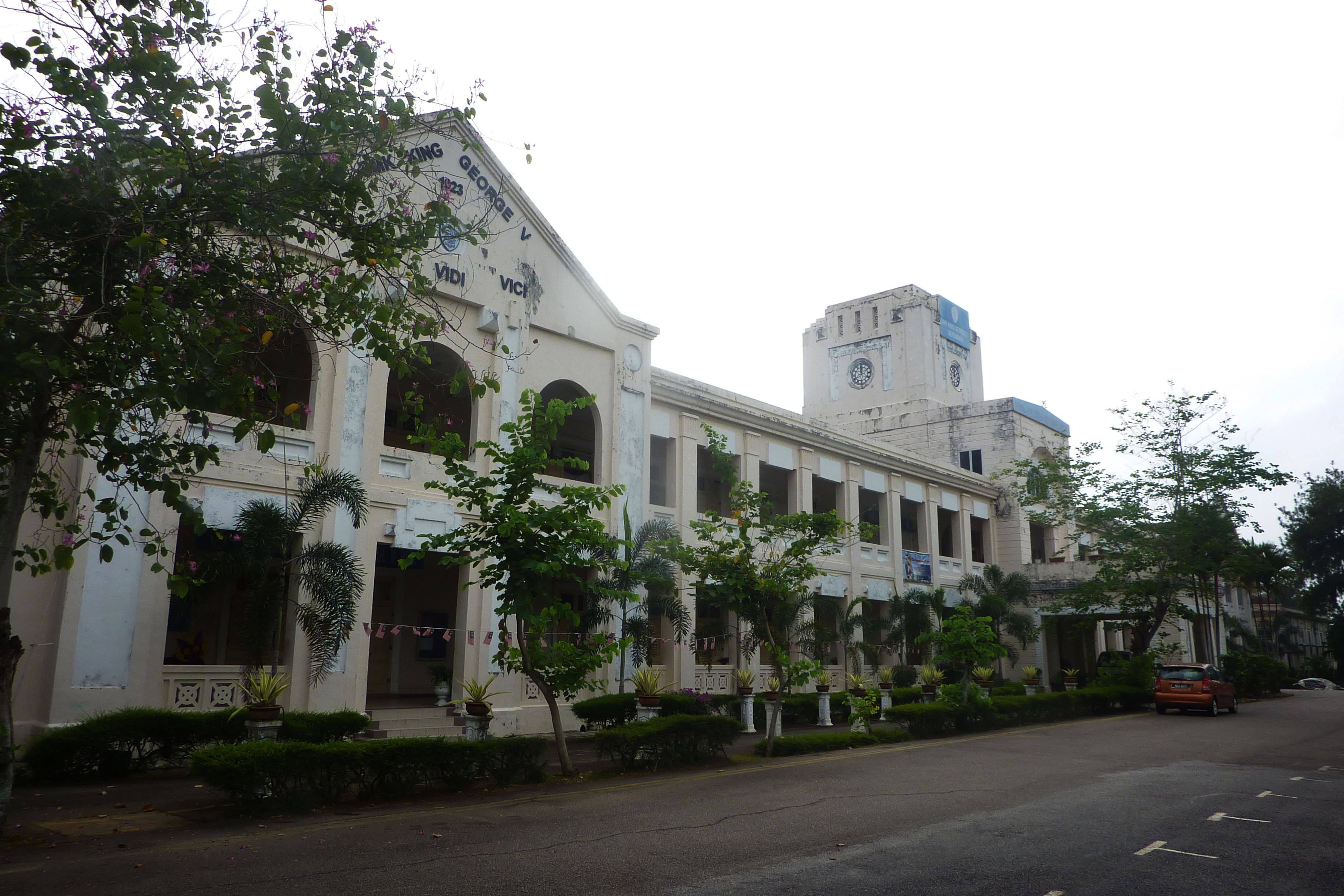
First stop along the road is King George V School, a former colonial academic institution, which still servers as school today.
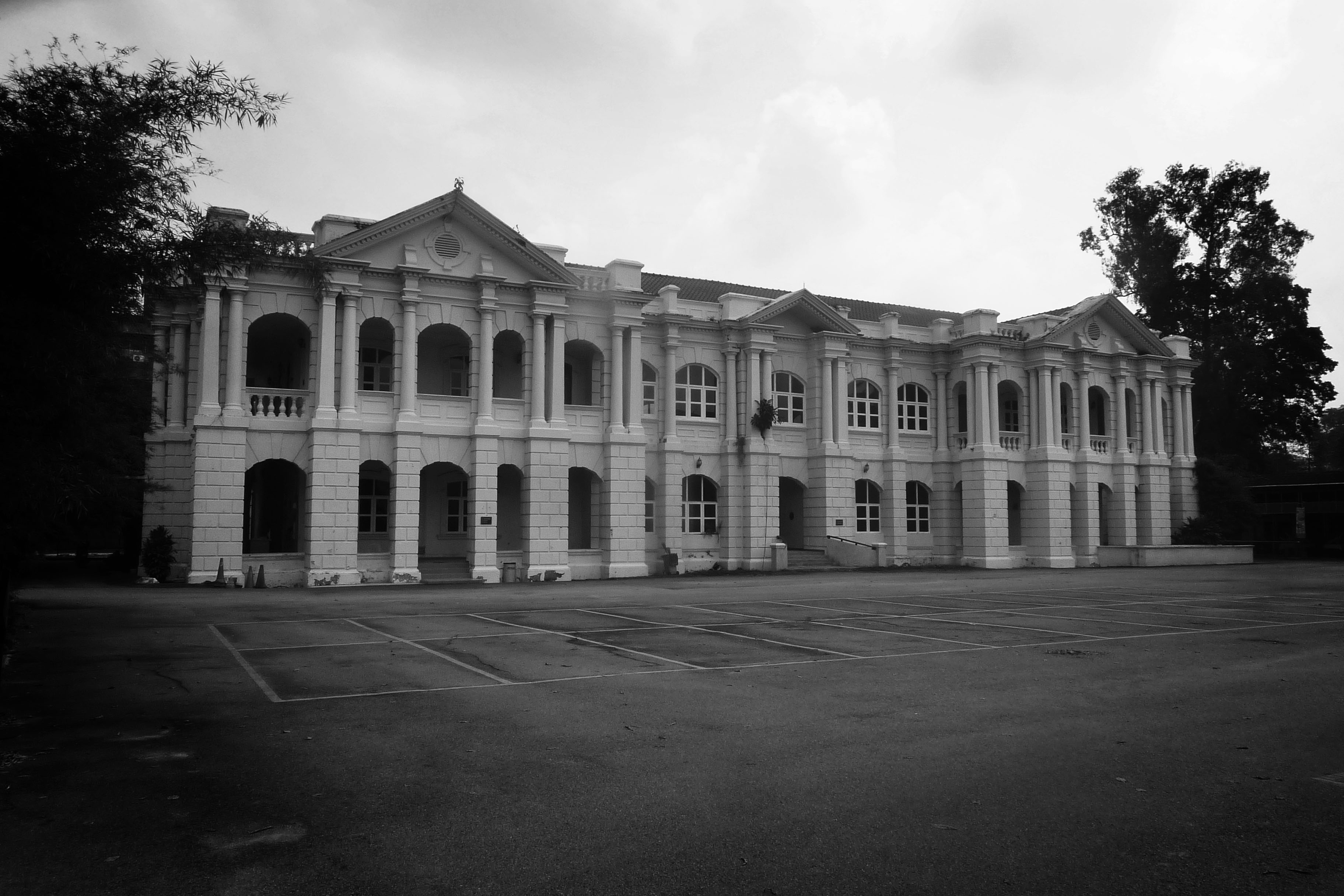
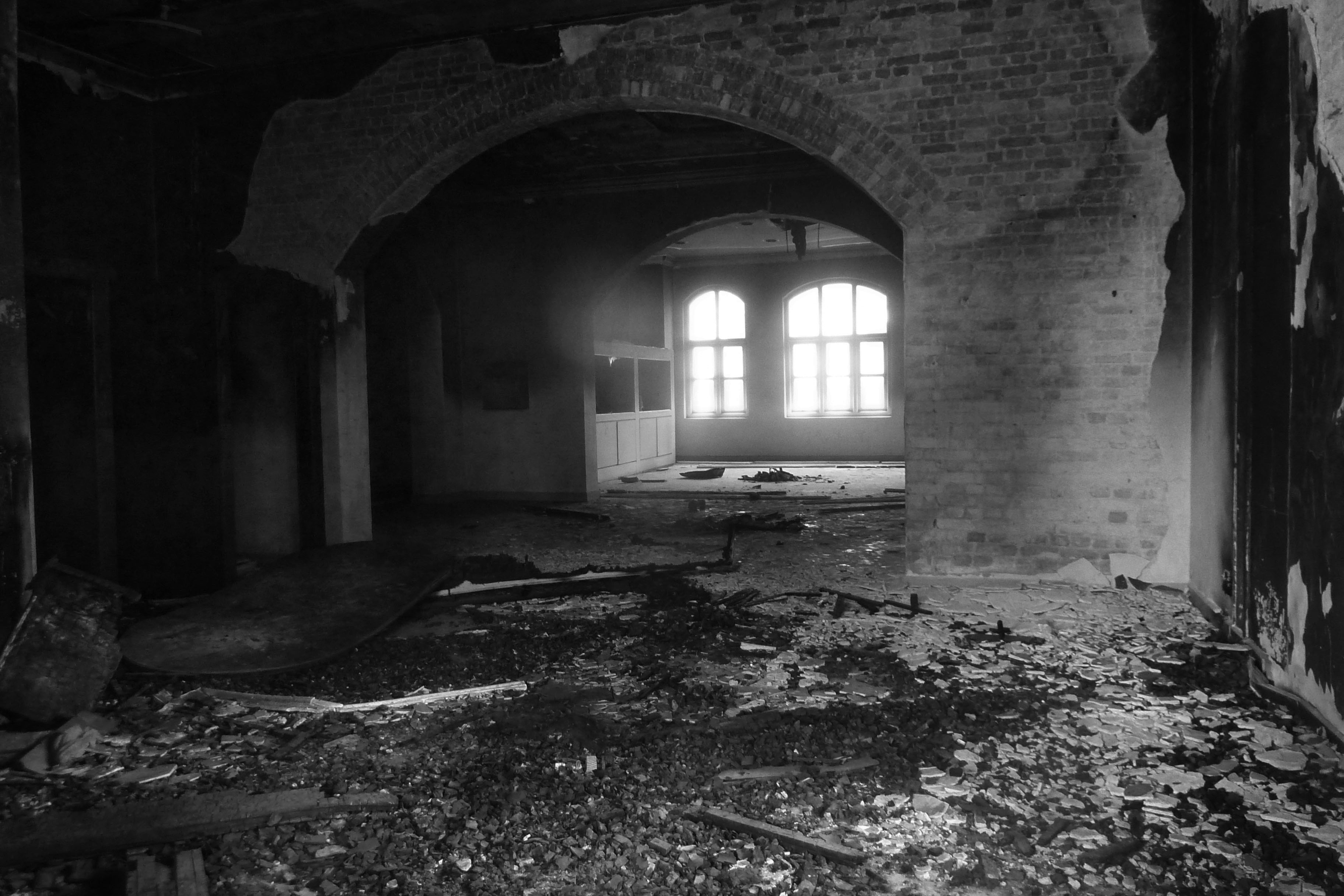
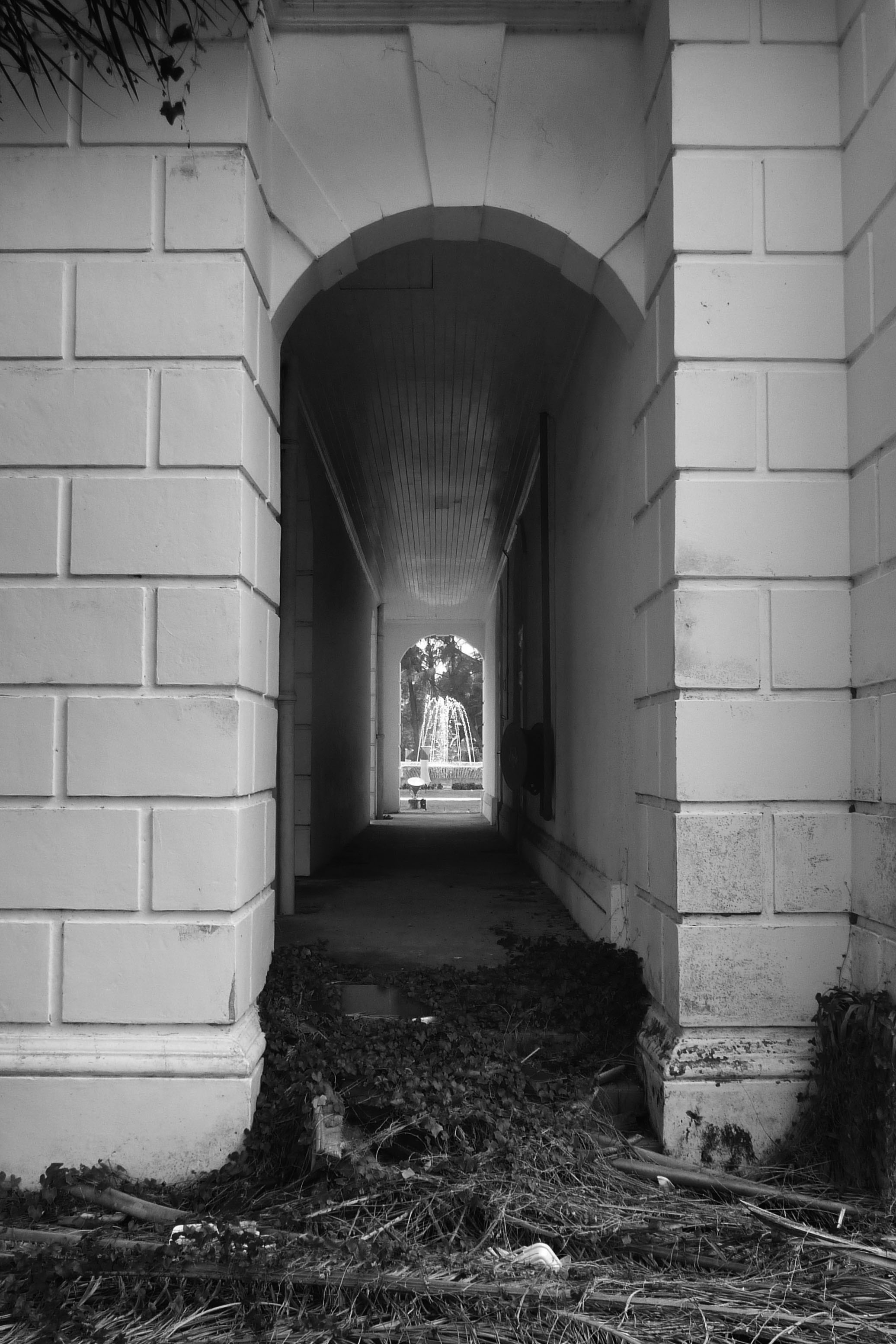
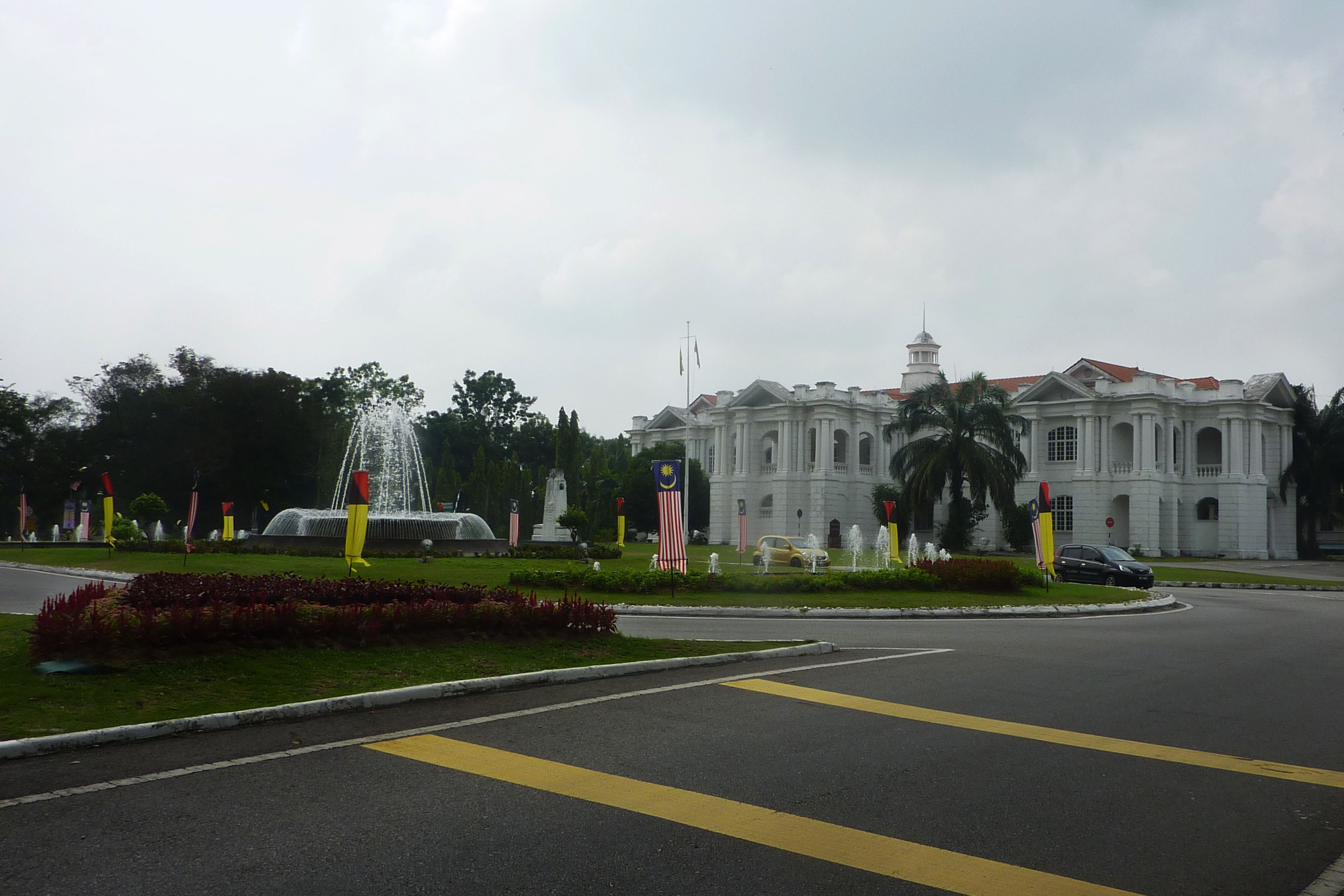
I am following the small path which goes along the lakes in Lakes Garden, next stop is the Kompleks Kraf Negeri Sembilan build in 1912 and have previously housed the British Resident Captain Murray and a exhibition of local arts and crafts. However it seems closed those days. Looking through the windows reveals that the place or some of the rooms have been on fire. A bit disappointed and surprised. I am walking to the next building on the road the State Library, which is designed by the architect B.P. Hubback. Hubback is the architect behind many of Kuala Lumpurs historic buildings, such as Masjid Jamek. The building is in badly shape and it is clear, that it has not been used for a while.
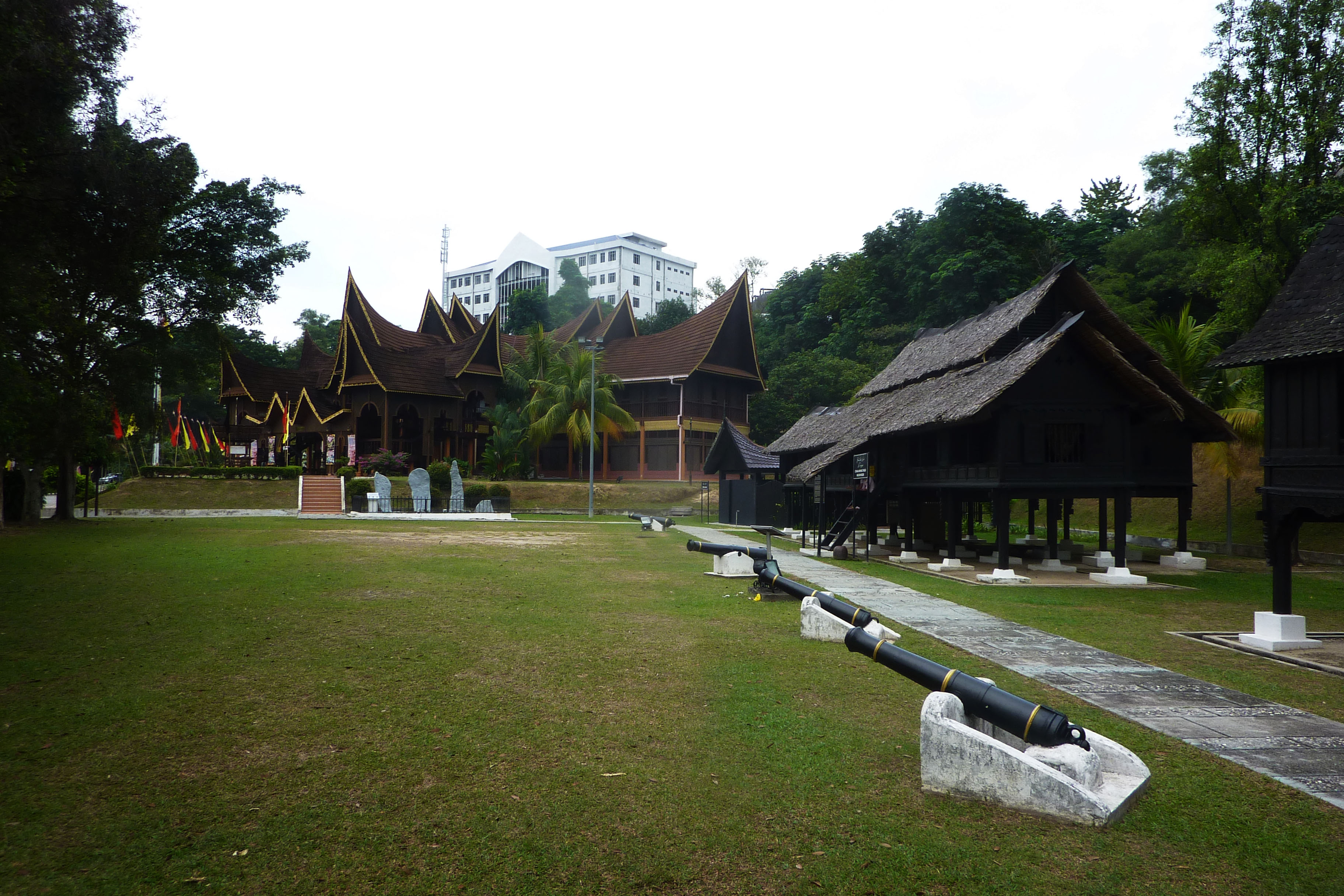
On the way back to the train station, I am passing by the Liesheng Temple (Taoist temple) and the Church of the Visitation, were a service is in progress. The final stop the tour today is Muzium Negeri, my main reason for going to Seremban, as the museum has two original pieces of architecture dating back form 1870; The Timber Ampang Tinggi Palace and the Rumah Negeri Sembilan.